About the Post:

Madurai, also known as Tiru-Ālavāi, is a renowned pilgrimage centre revered for the temple dedicated to Goddess Meenakshi and her consort, Lord Somasundara. Historically, it was the heartland of the Pandyan Dynasty, and now, it is the cultural capital of the Indian State of Tamil Nadu. The ancient Tamil epic TIRUVILAYĀDAL PURĀNAM extols the glory of Madurai and its presiding deities. However, intriguingly, the geographical and archaeological facts of present-day Madurai do not seem to agree with the relevant details in the TIRUVILAYĀDAL PURĀNAM. This puzzling discrepancy persuaded me to find out the location of the ancient Madurai that the Tamil epic speaks of.
Following the publication of my article ARCHAEOLOGICAL REMAINS OF ĀLAVĀI-MADHIL?, many readers questioned how the ruins of ancient Madurai could be in the Americas. In response, I stated that specific details embedded within the TIRUVILAYĀDAL PURĀNAM suggest that the Madurai celebrated by the epic was, in fact, situated in what is now the Americas. This article delves into such a significant clue.
Sneak Peek:
The flora and fauna mentioned in ancient literary accounts often serve as crucial hints for identifying the places they describe. In the case of TIRUVILAYĀDAL PURĀNAM, the Pottrāmarai (golden lotus) offers a significant clue about the location of the ancient Madurai it glorifies. Continue reading to learn more about my interesting inferences………
The Prologue:
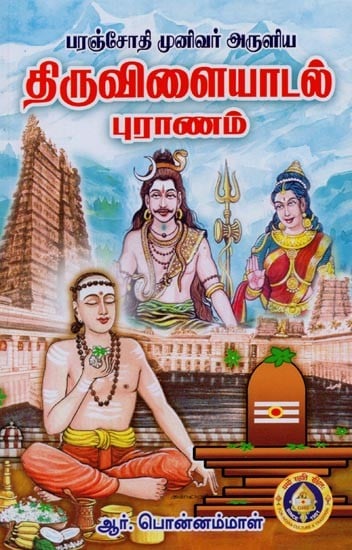
TIRUVILAYĀDAL PURĀNAM, authored by Paranjothi Munivar, recounts 64 playful divine acts attributed to the presiding deities of Kadamba Vanam, the sacred site more commonly known as Madurai or Tiru-Ālavāi (also spelled Tiruvālavāi). Paranjothi Munivar has declared that his work is based on the Sanskrit text HĀLĀSYA MĀHĀTMYAM.
According to the epic, King Kulasekara Pandyan established the ancient Madurai City, which flourished until the time of a global disaster, following which, in its place, grew a new city called Tiru-Ālavāi during the reign of King Vangiyasekara Pandyan. The epic includes a chapter that narrates the story of the sky-scraping city wall of Tiru-Ālavāi—known as Ālavāi-madhil—constructed by Vangiyasekara Pandyan.
In my article ARCHAEOLOGICAL REMAINS OF ĀLAVĀI-MADHIL?, I identified the zigzag cyclopean stone walls of present-day Sacsayhuamán in Peru, South America, as the plausible archaeological remains of Ālavāi-madhil. This inference is based not only on the descriptions of Ālavāi-madhil in TIRUVILAYĀDAL PURĀNAM but also on other details in the epic that suggest the Americas as the location for the ancient Madurai it glorifies. One such significant hint is the Pottrāmarai Kulam—golden lotus pond—of Madurai extolled by the TIRUVILAYĀDAL PURĀNAM.
The Pottrāmarai:
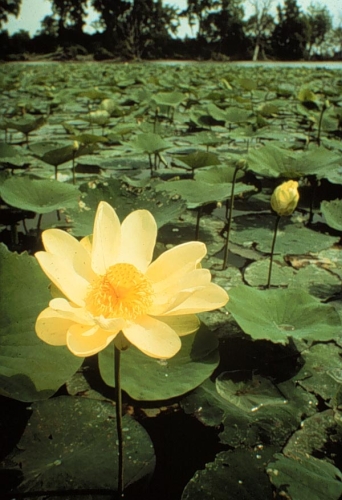
Pottrāmarai is a compound word in Tamil, meaning “golden lotus,” derived by merging the words pon (gold) and thāmarai (lotus). According to scholars, any term/word meaning “golden” in ancient Indian scriptures often signifies “yellow.” Therefore, the Pottrāmarai, mentioned in the TIRUVILAYĀDAL PURĀNAM, apparently refers to the “Yellow Lotus.” Interestingly, Nelumbo lutea, commonly known as the American lotus or yellow lotus, is native to the Americas. Its other names include water-chinquapin and volée.
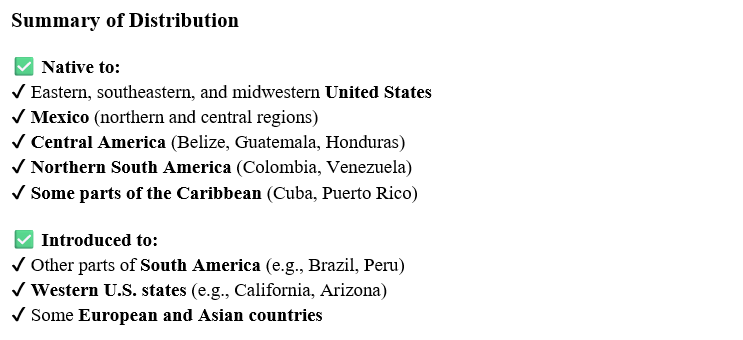
ChatGPT summarises the current geographical distribution of Nelumbo lutea as follows:

Regarding the term ‘Nelumbo‘ in botany, Wikipedia gives the following information (as of 3rd April 2025):
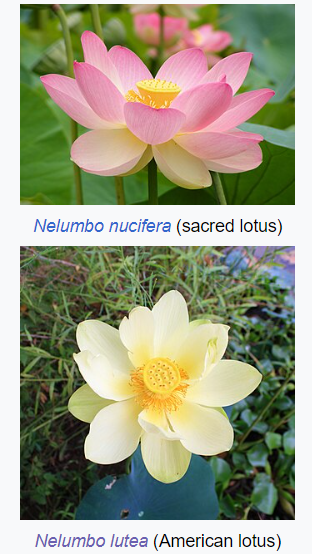
Nelumbo is a genus of aquatic plants with large, showy flowers. Members are commonly called lotus, though the name is also applied to various other plants and plant groups, including the unrelated genus Lotus. Members outwardly resemble those in the family Nymphaeaceae (“water lilies”), but Nelumbo is actually very distant from that family.
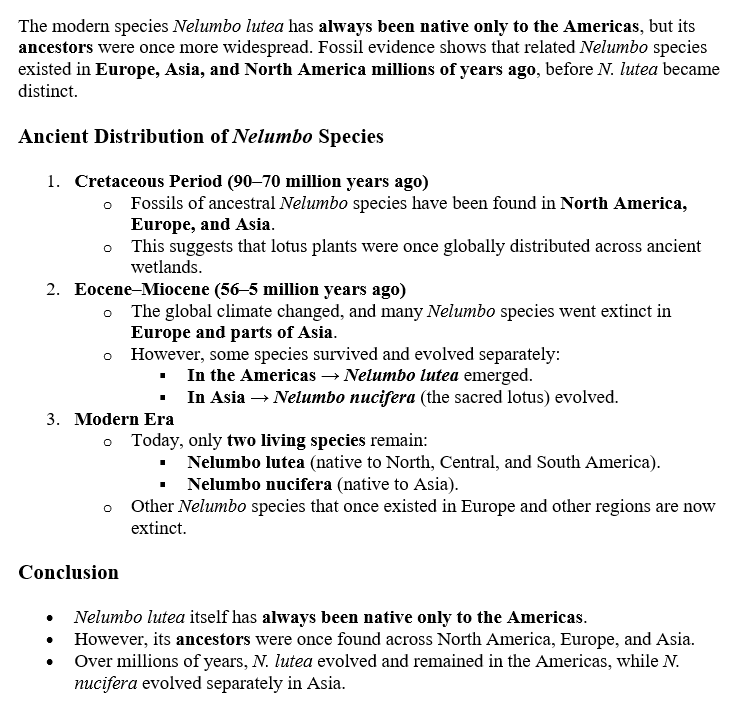
Nelumbo is an ancient genus, with dozens of species known from fossil remains since the Early Cretaceous. However, there are only two known living species of lotus. One is the better-known Nelumbo nucifera, which is native to East Asia, South Asia, Southeast Asia, and probably Australia and is commonly cultivated for consumption and use in traditional Chinese medicine. The other lotus is Nelumbo lutea, which is native to North America and the Caribbean. Horticultural hybrids have been produced between these two allopatric species.
When I asked ChatGPT whether Nelumbo lutea (American lotus, aka yellow lotus) existed during ancient times, I received the following answer:
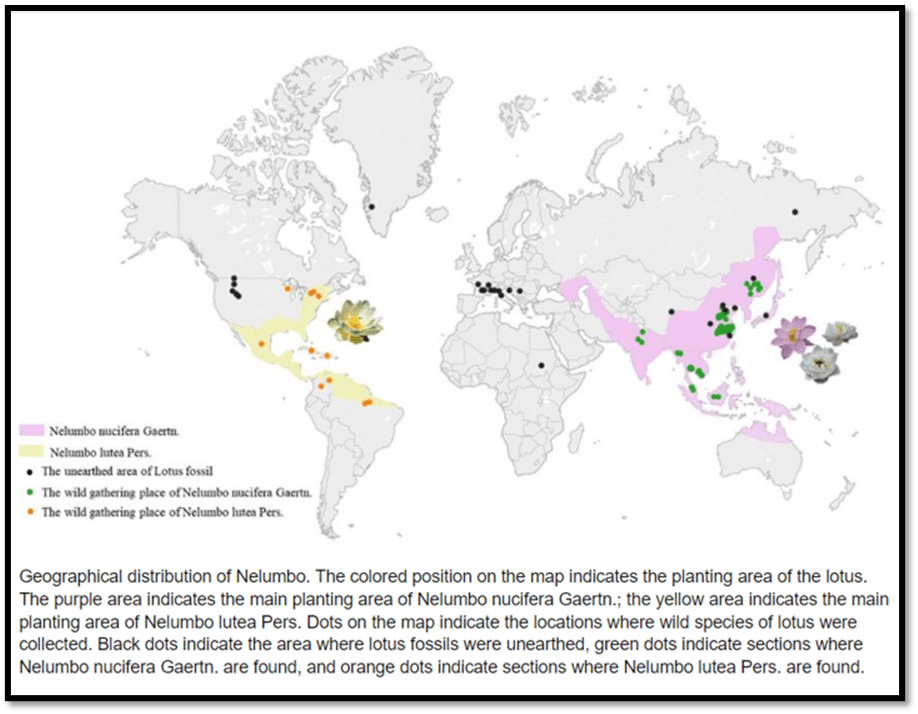
SOURCE: Genetic resources of lotus (Nelumbo) and their improvement, March 2022, Ornamental Plant Research 2(1):1-17, DOI:10.48130/OPR-2022-0005, License CC BY 4.0, Authors: Ping Zhou et al.
Closing Message:
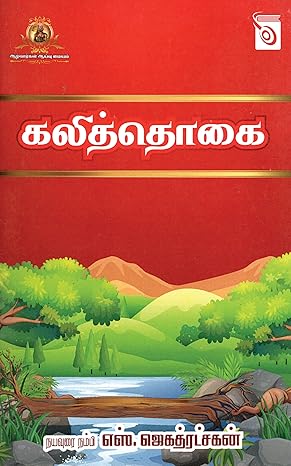
KALI-THOGAI, a Sangam literary work, mentions the submergence of a Pandyan land and the resultant migration of survivors to other entities. Perhaps this ancient Tamil account recounts the relocation of inhabitants of the actual Madurai due to the deluge mentioned in the TIRUVILAYĀDAL PURĀNAM. Furthermore, naming a new homeland in memory of the native land was likely a common tradition in ancient times.
Interestingly, a few more details in the TIRUVILAYĀDAL PURĀNAM also seem to point to the Americas as the location of the original Madurai, aka Tiru-Ālavāi. I might discuss them in some future posts on this blog. Thus, owing to the credible interpretations made so far, I infer that the real Madurai, glorified by the TIRUVILAYĀDAL PURĀNAM, was most likely located in the Americas.
End-Note:
Thanks for reading this post; please leave your feedback in the comment box below.
Check the Home page for the latest posts from our blog.
Browse the Blog page to find all the posts.
Visit the About page for an introduction to the blog.
Learn about the Research, Titbits, and Bliss sections of this blog.
To know the terms and conditions of this blog, please read the Norms page.
Click Contact to send me a message or to find me on social media.

